
 Music
Music
7 reasons why the Rheostatics are Canadian rock superheroes
by Daniel Gerichter
September 19, 2013
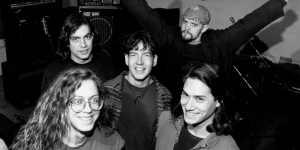
The Rheostatics came out of 1980s Etobicoke, ON with their own, uniquely Canadian take on rock and roll. Dave Bidini’s stories and Martin Tielli’s haunting guitars made the mundane sound exotic; they were fearless, they were hockey fanatics, and they were all ours. Here are just 7 of countless reasons why their own set of accomplishments put them in Canada’s independent rock pantheon.
7. Martin Tielli: Guitar God
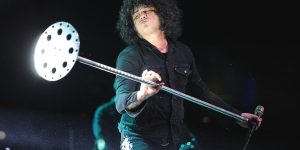
From psychedelic wail to crunching power chords and back again. That’s how fans have come to know the beautiful, brilliant, and often weird tones that only Martin Tielli could create. Whether it was on his beloved Steinberger GP-2T (“Steiny”) or iconic Ibanez double neck 6/12 string, Tielli’s textured sound has been essential to every anthem and epic the Rheos played.
6. They loved hockey more than any other band, ever
While the mere mention of hockey’s gilded history might be enough for some, the Rheostatics saw fit to craft an epic, two-part ballad about one of Toronto’s most celebrated forwards. “The Ballad of Wendel Clark” starts with the drab, tragic life of a fan and hurtles helmet-first into the sheer exhilaration of their boundless love for the Leafs’ captain.
5. They repped Canadian hip-hop before Drake had his actual Bar Mitzvah
Canadian hip hop may be a cottage industry now, but things were different in 1993. In case you never have, meet Farm Fresh—possibly Winnipeg’s first hip-hop trio. Inspired and entertained by their mixtape, the Rheostatics introduced Farm Fresh to an audience of indie rock fans at their annual Green Sprouts Music Week, an annual showcase that featured not only the Rheos but up-and-coming bands.
Dave Bidini recalls: “Someone sent us their tape around 1994, and we listened to it in the van for that whole tour. At the time, it was good to have our audience hear people rapping, because they certainly weren’t getting it from us. For the guys in the band, they just seemed like natural comrades.”
4. They made a children’s album for both parents and kids
1999’s The Story of Harmelodia was a concept album inspired by Bidini’s family life. Along with guests like Sarah Harmer and Barenaked Ladies’ Kevin Hearn, the album was created while the band was on tour with the Tragically Hip. “There were so many young children around while we were on tour and we felt that children’s music had been lobotomized—or at least it seemed that way at the time,” Bidini says. Noting an obvious connection between psychedelic and children’s music, the band crafted a pervasive, bewildering experience that captured the imagination of adults and rugrats alike.
3. Double Live is the quintessential Canadian live album
The Rheostatics were one of the great “you have to see them live to fully appreciate them” bands. So when 1997’s Double Live hit the shelves, fans knew something special had arrived. A collection of performances in different settings (as opposed to a single show), Double Live captured the Rheos in everything from hockey arenas and intimate theatres. The album showcased the band at its most roaring and furious (“Horses,” “Feed Yourself”) and their most somber (“Record Body Count,” “Dead is the Drunkest You Can Get”). With Double Live, Canada finally had its own Frampton Comes Alive.
2. They brought Stompin’ Tom Connors out of retirement
Legendary Canuck Stompin’ Tom retired in the mid seventies, citing unfair practices of the CRTC toward Canadian artists. Connors remained in self-imposed exile for 12 years, until a young group of Etobicoke-born kids (Bidini and bassist Tim Vesely) crashed his 50th birthday party, signed petition in hand, to convince him to return to the stage. A resulting Toronto Star article caused a resurgence in public interest, prompting Connors to record 1988’s Fiddle and Song—his first album in 11 years. Bidini eloquently mused about that day in an article written just two years before Connors’ passing.
1. The Blue Hysteria summed up the Great Recession—10 years before it happened
While the lyrics on “Bad Time to be Poor” and “Feed Yourself” were fierce calls of shenanigans pointed at much-maligned Premier Mike Harris, the themes on “The Blue Hysteria” spoke of the death of safety nets, social abandonment, and a suburban cult of blame for (among others) immigrants and single moms. While it was a lot of things, the grunge era wasn’t exactly the most politically active of scenes. The Rheostatics’ songs were warts-and-all odes to the joy and pain of life as they saw it. What could be more Canadian than that?
Special thanks to Dave Bidini for his insights. Bidini continues his love of all things Canadian through his weekly National Post column, work with Bidiniband, and his most recent book, Keon and Me.
Tags: Music, Cancon, Lists, News, canrock, Dave Bidini, rheostatics, Stompin Tom Connors